Water Softeners in St. George, UT
We repair, service and replace water softeners in St. George, Utah as plumbers, not salespeople, so there is no two-hour pitch at your kitchen table and you get an itemized price before any work starts. That includes softeners another company sold you. We test your water, find out why the system is acting up, and tell you straight whether it needs a repair, a rebuild, or a replacement. If a dealer already gave you a quote, bring it. We are happy to give you a second opinion.
- Repair, service or replace, even units someone else sold
- Itemized price up front, no in-home sales presentation
- Standard, serviceable parts, so you are not locked in
- Set to the city's recommended grain range for your area
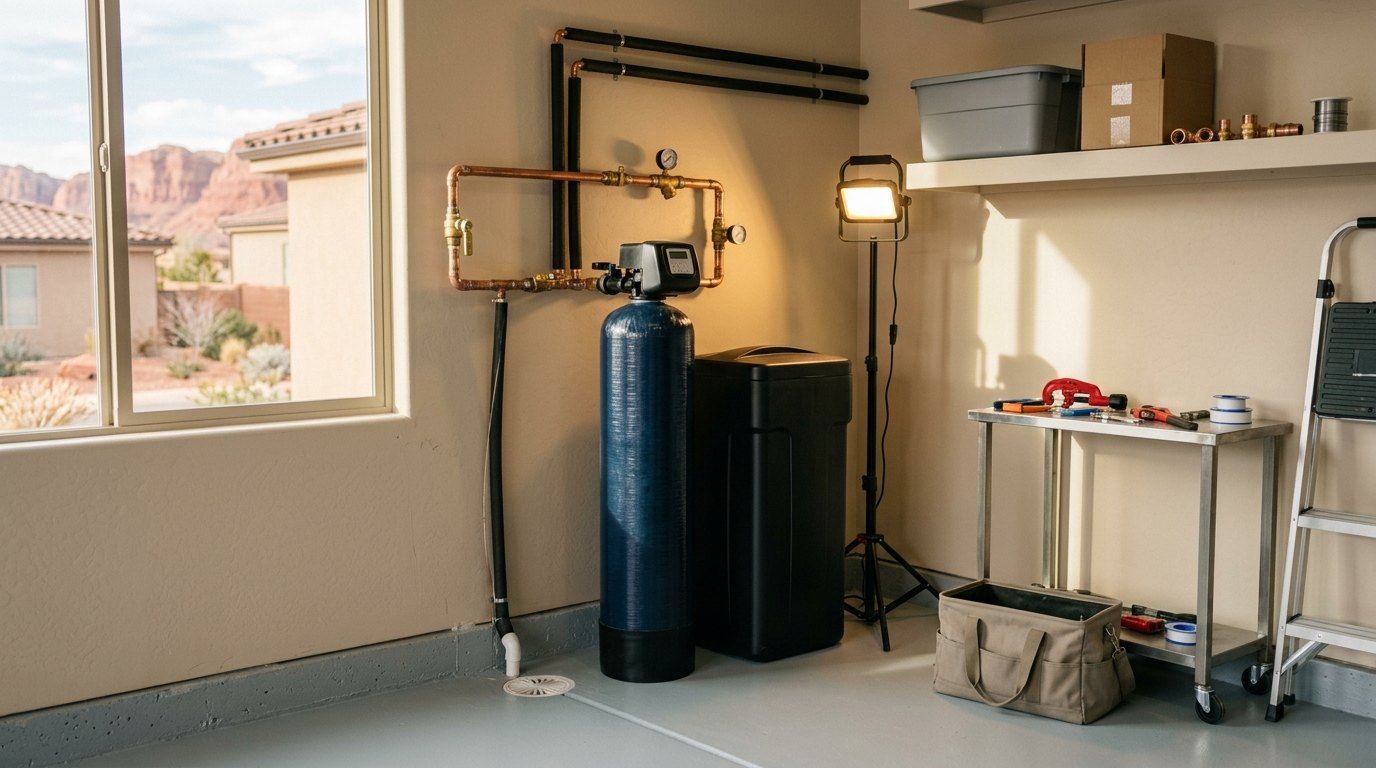
Water Softeners we handle
Pick the closest match. Each page explains what is usually wrong, what the fix involves, and what to expect when we show up.
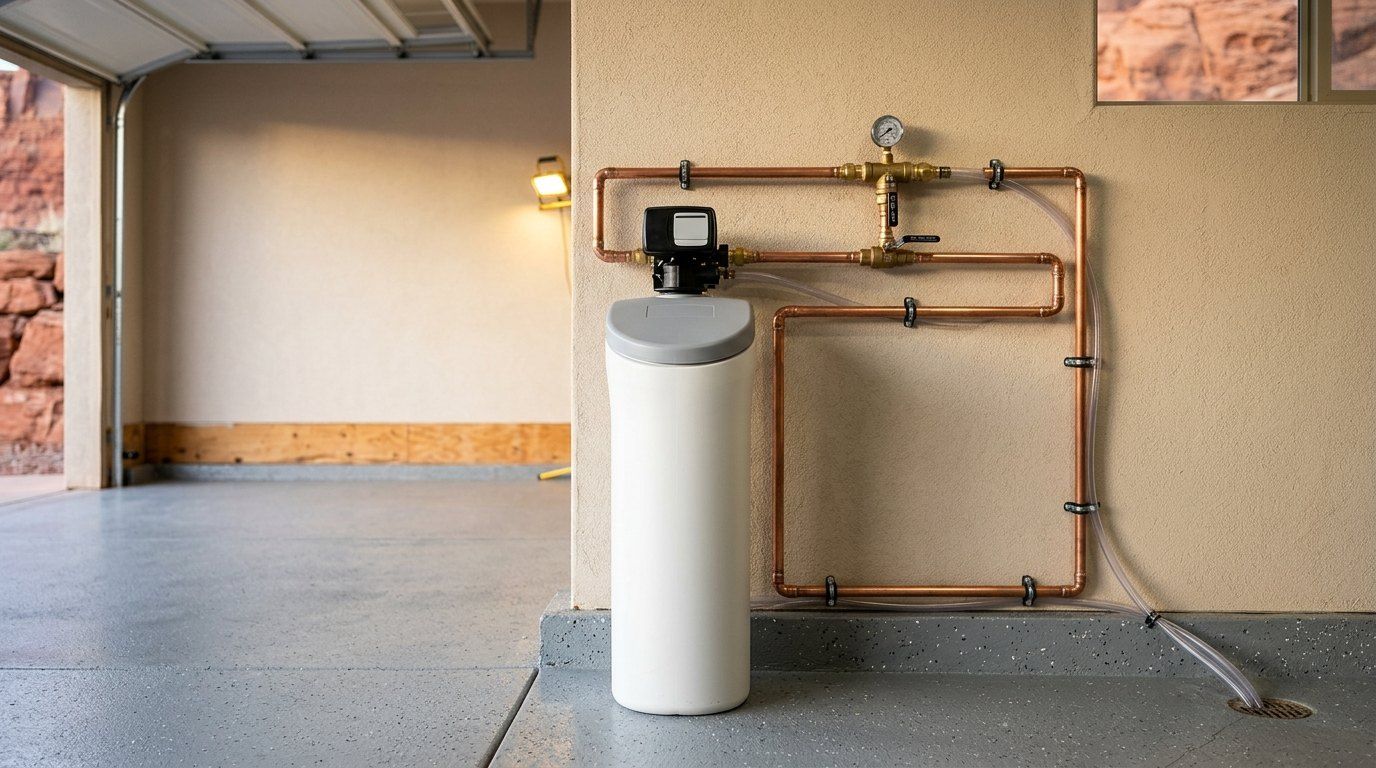
- Water Softener InstallationNew and replacement softeners sized for your water, with a proper drain, bypass and leak check.
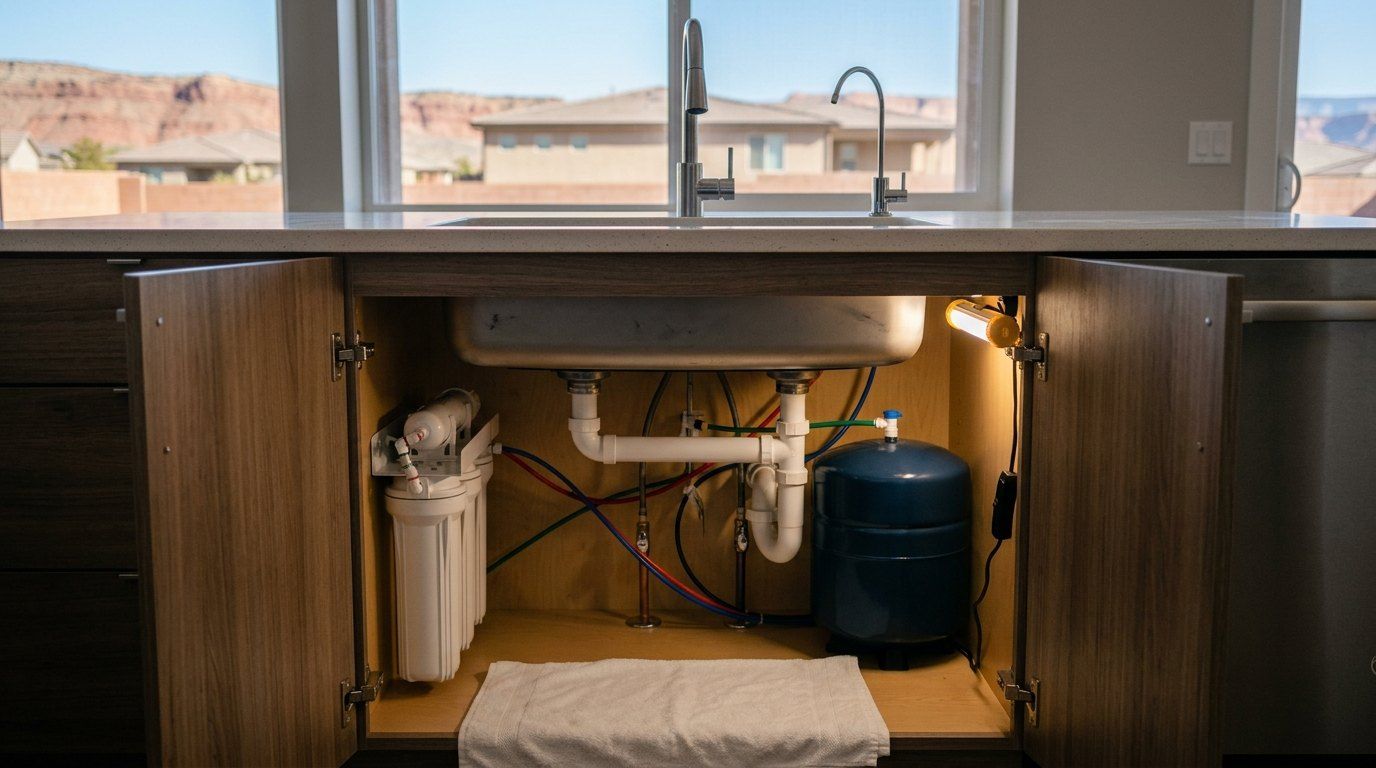
- Water Filtration & ROUnder-sink reverse osmosis and whole-house filters, standard cartridges, no proprietary lock-in.
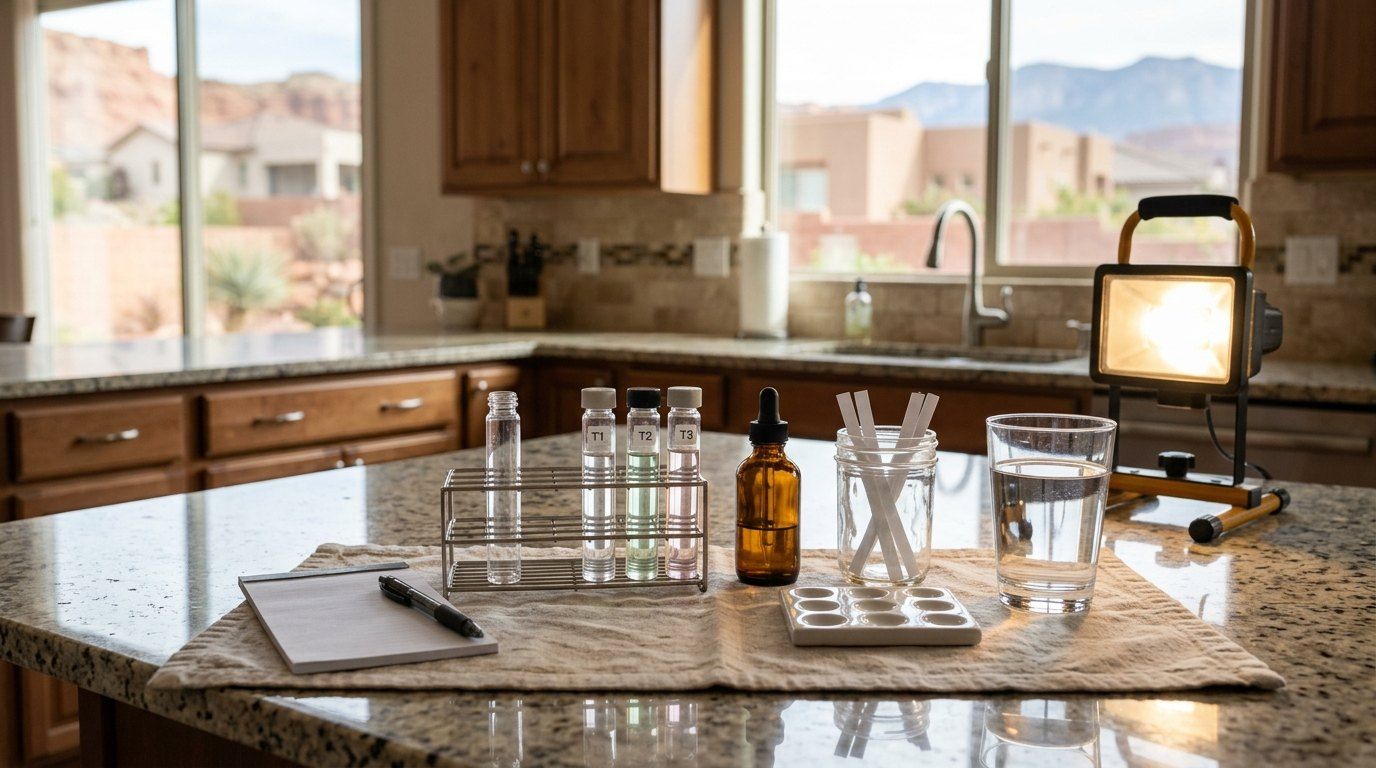
- Water TestingIn-home hardness, TDS and chlorine testing before we recommend anything. No sales presentation.
How Hard Is St. George Water? The City's Own Numbers
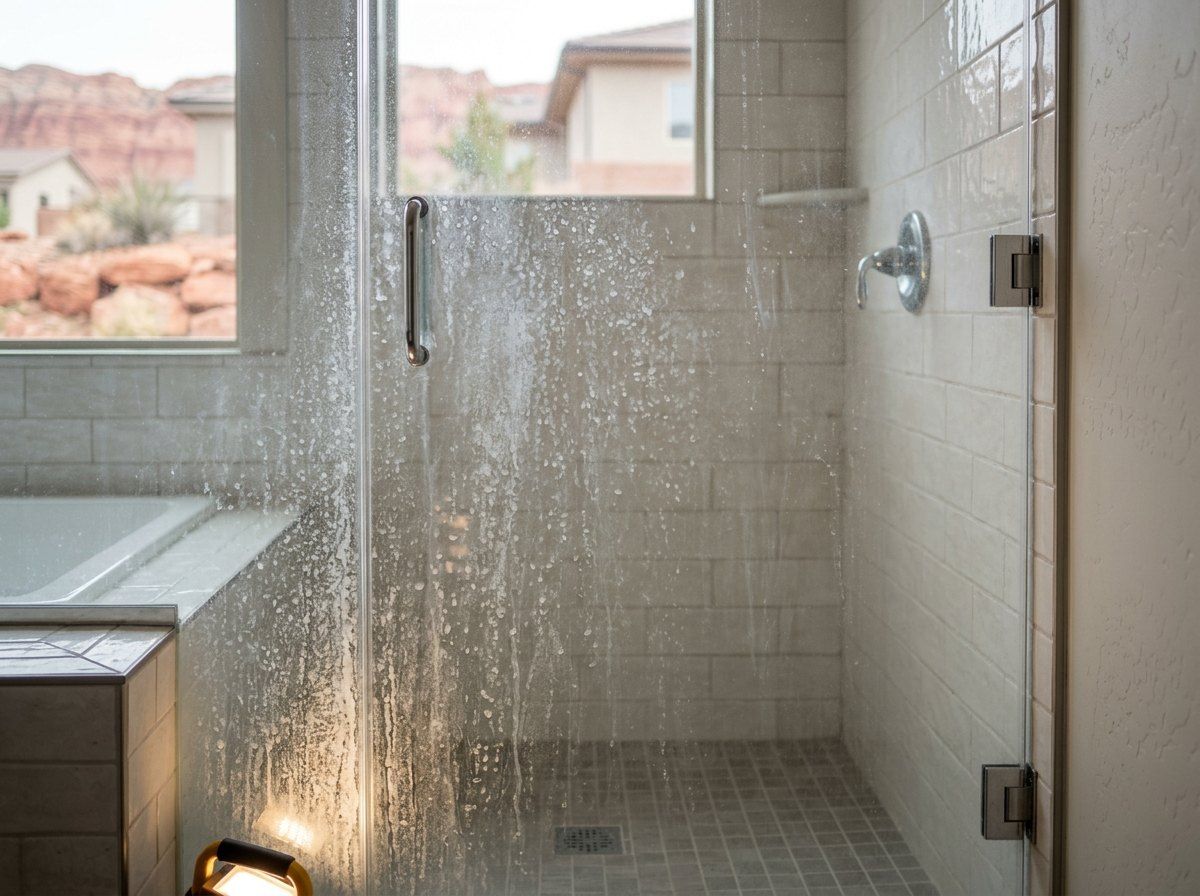
You do not have to take a salesperson's word for it. The City of St. George's 2024 water quality report says most Southern Utah water sources are hard and recommends softener settings between 13 and 24 grains per gallon. Ivins City recommends 22 grains. That white crust on your shower glass and faucet aerators is the same calcium the reports are talking about.
Hardness also changes from one neighborhood to the next, because the cities blend water from different wells and surface sources. Kayenta is on its own private water system (KWU), separate from Ivins city water. That is why we test the water at your tap before we touch a setting or recommend any equipment.
The Right Grain Setting, and Why the City Cares
St. George Water Services asks residents to set softeners at about 18 grains and no higher than 22. The reason is practical: softener salt ends up in the wastewater, raises the dissolved solids the treatment plant cannot take out, and that water is reused for irrigation. So the city asks for the lowest setting that works.
Plenty of softeners around Washington, Santa Clara and St. George are set far higher than they need to be. That burns salt and water and buys you nothing. When we service a softener, we test your hardness and set it to the lowest number that keeps your water soft.
Softener Repair and Service We Handle
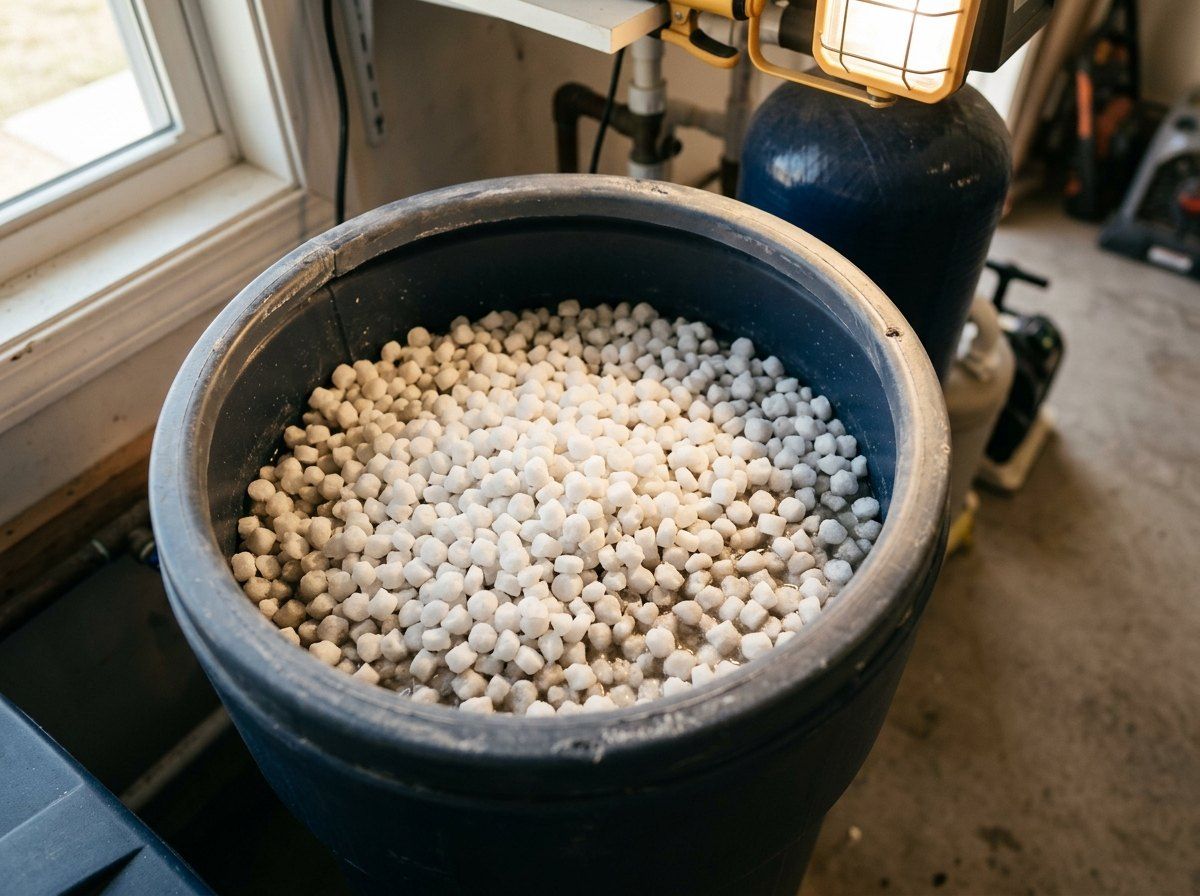
Most softener problems are not a reason to buy a new system. We work on the control valve, the resin tank and the brine tank, and we show you what was wrong before we fix it. If your softener uses a standard control valve, parts are easy to get and the valve can usually be rebuilt instead of replaced.
- Salt bridges and mushy salt in the brine tank
- Clock and settings lost after a power outage
- Clogged brine injector or a softener that will not draw brine
- Leaking bypass valves and fittings
- Control valve rebuilds and dead display diagnosis
- Worn out resin replaced (re-bedding the tank)
- Regeneration schedule and hardness setting corrected
How We Price Softener Work
No kitchen table presentation, no "today only" number. We tell you the service call fee when you book. Once we have looked at the softener, you get an upfront, itemized price for the repair before any work starts, and if replacement is the better money, we price that too so you can compare.
If you are holding a quote from someone else, we will look at it and tell you what each line actually is. A softener is a resin tank, a control valve and a brine tank. When two quotes for that same equipment are thousands apart, you deserve to know why before you sign.
Softeners, Water Heaters and Your Fixtures
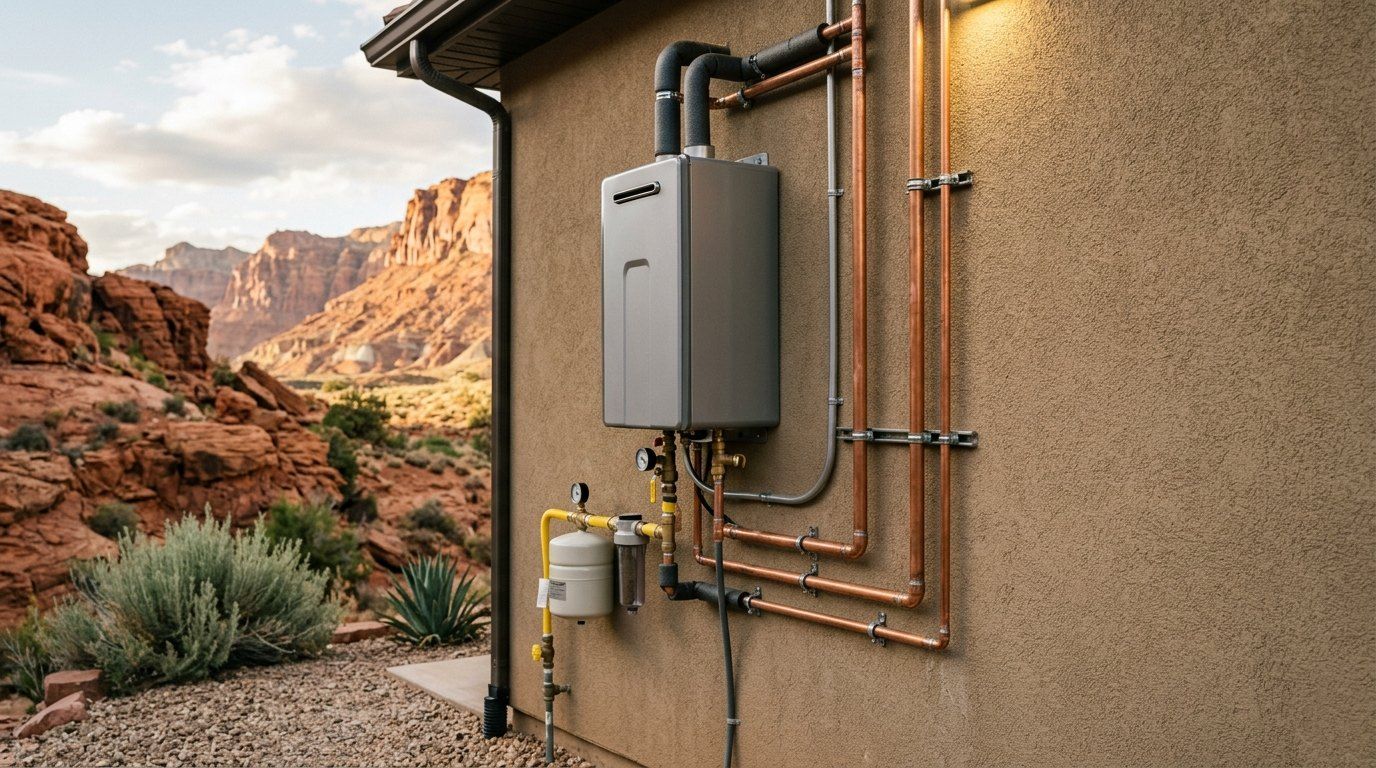
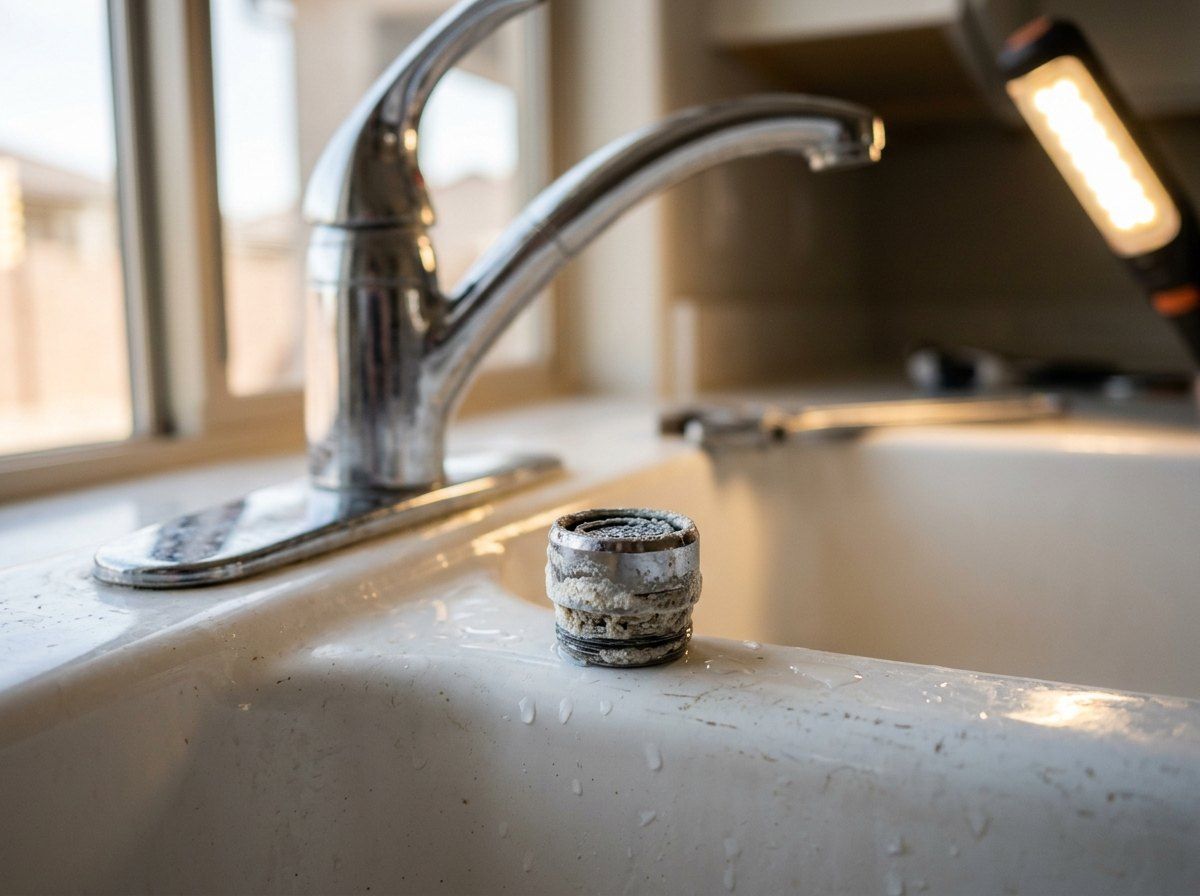
Hard water scales the inside of tank water heaters, tankless heat exchangers, faucet cartridges and shower valves. A tankless unit is the most sensitive, and some manufacturers list a hardness limit in their warranty terms. Read that line on yours. A salt softener set correctly protects a tankless heater. It does not hurt it.
If your aerators keep clogging, your glass shower door turns white a week after you clean it, or your water heater pops and rumbles, the softener is the first thing we check. Sometimes it is working fine and simply set wrong, or bypassed by a valve someone forgot to turn back.
Bought a House With a Softener? We Will Walk You Through It
A lot of our softener calls come from people who just moved to Southern Utah and inherited a system they have never owned before. We check that it is working, set it for your water, and show you the bypass valve, the salt level, and how to start a manual regeneration.
We also tell you which taps are actually softened. Builders here often leave the kitchen cold line, the fridge and the hose bibs on hard water, and irrigation should stay on hard water. Knowing the layout now saves you guessing later, and it tells you whether a drinking water filter at the kitchen makes sense.
- Water softener repair & service
- Water softener replacement
What People Worry About Before Calling About a Softener
These are the questions we hear most from homeowners in Ivins, St. George and Hurricane. Straight answers, no sales script.
Is this softener quote a rip off?
Every softener is built from the same core parts: a resin tank, a control valve and a brine tank. Big gaps between quotes usually come from the brand, sales commission and bundled extras. Ask for an itemized price before you sign anything, and get a second quote. We will give you one, and we will explain the other quote line by line if you want.
Do I really need a softener here, or is it an upsell?
The city reports themselves call our water hard and recommend softener settings of 13 to 24 grains. If you care about your water heater, fixtures and shower glass, a softener is worth it for most homes. If all you care about is how the water tastes, a reverse osmosis filter at the kitchen sink may be what you actually want. We will tell you which.
My softener works some days and not others. Who even services these?
We do, including systems another company installed. Water that swings between slick and hard usually comes from a salt bridge, the wrong hardness setting, a clock that reset after a power outage, or a clogged brine injector. Most of these are a one-visit fix, and we show you what was wrong.
My softener is old and the display is dead. Repair or replace?
A dead display can be something as simple as a power supply. Softeners with standard valves can often be rebuilt, or re-bedded with new resin, for less than a new unit. Replacement makes sense when the valve is obsolete, the parts are proprietary, or the tank is cracked. We quote both options when both are real options.
If I buy a softener, am I stuck with one company forever?
Not with us. Some systems use proprietary valves and filters that only one dealer services. Before you buy anything, ask whether the control valve is a standard brand any qualified tech can rebuild, and whether the filters are generic sizes. We install and recommend equipment you can get serviced by anyone.
Do salt-free conditioners work on water this hard?
Salt-free conditioners do not remove calcium and magnesium. At best they change how scale forms, and many water pros say they struggle on very hard water like ours. If you want truly soft water, or you are protecting a tankless heater, a salt-based softener set to the lowest effective setting is the proven option.
Water Softeners: common questions
Can you fix a softener another company installed?
Usually, yes, as long as it uses a standard control valve. Some brands use proprietary parts that only their dealer stocks. We tell you on the first visit if that is the case, so you can decide whether to repair it or replace it.
How long does a water softener last?
It depends on the valve, the resin and how much chlorine is in the water. Owners and pros commonly report resin lasting around 10 to 15 years on chlorinated city water, and a good valve can be rebuilt rather than replaced. We check both before we recommend a new unit.
Is softened water safe to drink?
Softening adds a small amount of sodium, and the harder your water, the more it adds. Many households put a reverse osmosis faucet at the kitchen sink for drinking and cooking. Hose bibs and irrigation are usually left on hard water so your plants are not watered with softened water.
I let my softener run out of salt. Did I ruin it?
Usually not. Refill the brine tank, break up any hard crust with a broom handle, and run a couple of manual regenerations. Check the salt about once a month after that. If the water still is not soft, give us a call.
Do I need a carbon filter with my softener?
On chlorinated city water, a carbon filter ahead of the softener takes out chlorine taste and odor and can help protect the resin. It is a good add-on, not a requirement. We explain the tradeoff and let you decide.
Should I rent a softener or buy one?
Renting can make sense short term if cash is tight. If you rent, get the monthly cost, the term and any buyout written into the contract, and watch for extra charges on salt delivery. Over the long run, owning standard equipment usually costs less.
Related services